
Meta-Harness Verdict: The Model Is a Commodity, the Harness Is the Moat
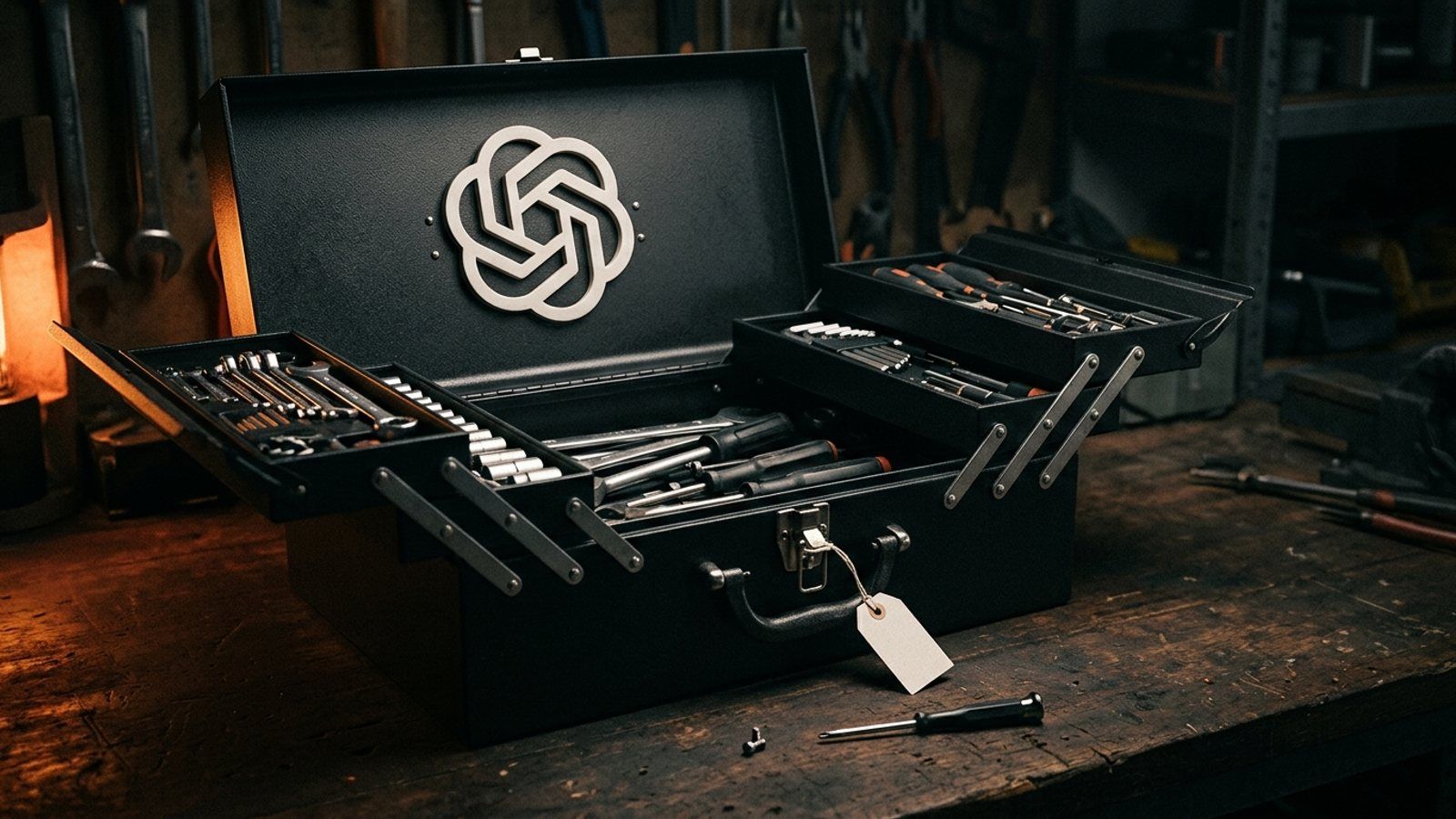
You’re obsessing over model weights while your scaffolding is leaking tokens. Stanford just proved that the code around the AI is where the real wins live.


Section
Comparisons, verdicts, and best-of roundups — receipts attached.
You’re obsessing over model weights while your scaffolding is leaking tokens. Stanford just proved that the code around the AI is where the real wins live.
Anthropic and OpenAI landed flagships 48 hours apart at the identical $10/$50. The sticker matches. What you actually pay does not.
Meta and Google shipped budget-tier flagships on the same day. One scores higher and costs less per task. The other has a price cliff on its calendar.
The 'Double Disinflation' proposal passed by a literal hair. Here is why the machine economy just picked its favorite home.
OpenClaw offers total control for the SRE crowd, but for everyone else, the 'hackability' might just be a massive security tax.
Two automation platforms, two completely different meters. One charges you per successful action, the other per workflow run — and that single choice sets your ceiling.
Kimi K3 scores 60 on the Artificial Analysis Intelligence Index. Claude Opus 5 scores 63. That's the whole gap now — and the open model costs a third as much.
Six meeting notetakers, real prices off the official pricing pages, and the one nobody has on their list. Transcription is solved. Everything after it isn't.
OpenAI's July flagship against Google's February flagship — still the two models everyone's actually switching between in August. Here's where each one wins, with the benchmark receipts.
Forget the leaderboard screenshots. Here's what open-weight model fits in 16GB, what needs 24GB, and what needs a rack — with the quant files and VRAM math to prove it.
OpenAI gave Plus and Pro users a dial for how hard ChatGPT thinks. I ran it through a week of real work to find out when it's worth moving.
Figure is shipping humanoids into BMW while Tesla's Optimus Gen 3 is still an unrevealed chip and a launch date. Here's the receipts-first breakdown.
Two lanes right now: glasses that hand you a giant screen, and frames that put an assistant on your face. I break down which one actually earns a spot on yours.
Everyone wants the Holodeck on their face. What actually helps you get work done in 2026 is a $549 pair that mirrors your laptop — not a $2,195 standalone.
Europe's open-weight play ships a 256k-context, multimodal coder that self-hosts on four GPUs. Here's where it actually earns a slot in the rotation — and where it doesn't.
The model is the least interesting decision you'll make this year. Orchestration, evals, tool wiring, and the compute bill are what decide whether your agent survives real users.
Pika just dropped an invite-only AI video tool run by an agent that's 'Powered by Claude.' No invite over here yet — so here's what's actually announced versus what's still fog.
While everybody argued about Perplexity vs ChatGPT, You.com quietly quit the consumer search race and rebuilt itself as API infrastructure for agents. The paper verdict on whether that pivot is real.
One command provisions a sandbox, meters the compute, and keeps the card locked inside Stripe. This is the agent-wallet architecture I've been asking for — read the fine print before you ship on it.
A world model streaming interactive 1080p with no clip cap just raised $439M with Alibaba on the cap table. Here's my paper verdict — including the latency number PixVerse still won't publish.
A single-file C engine is streaming a 744B-parameter model off an NVMe drive on hardware you already own. I read the repo like an SRE — the receipts are real, and so is the speed tax.
The upscaler that ate Freepik. I'm reading Magnific's 2026 stack — Relight, video upscaling, the Photoshop plugin — through fifteen years of studio lighting instincts.
Data analysis is a grind when the numbers are stuck in a dashboard with no API. Julius AI says its new Browser Agent can go in and get them. I checked the receipts.
GitHub finally stops playing and brings the fight to Cursor with a standalone app and the keys to any model you want.
OpenAI's launch chart crowns GPT-5.6 Sol. Cool chart. One of these model families bills to a credit card today, and the other is behind a government-approved velvet rope.
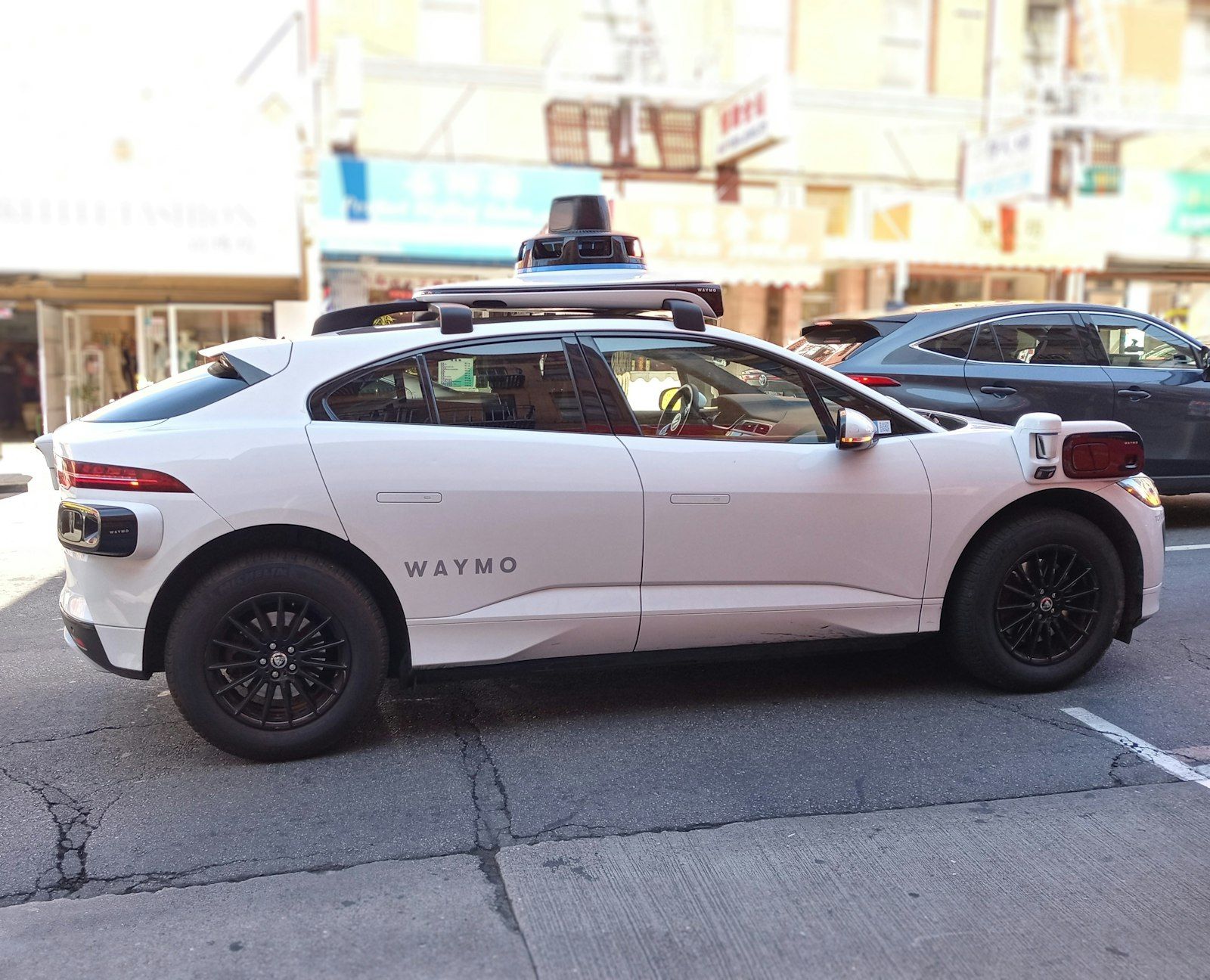
I don't own a car in Miami — I ride. Here's what AAA's ownership math, Waymo's safety record, and real Bay Area ride prices say about whether you should join me.
The agent race stopped being one race and split into four lanes — coding, browser, research, and team. Here's who wins each lane, with receipts.
xAI debuted at #1 and got passed inside five months. The dethroning isn't the story — the $0.05-per-second price floor is.
The era of the all-purpose LLM is ending. For developers, the real power has moved to a swarm of specialized, open-weight hammers that cost less and think harder.
Forget the chatbot wars. Elon just bought the world's favorite AI code editor to build a software-defined empire. Here is what happens to your workflow next.
Tokyo’s Sakana AI just launched Marlin, an autonomous researcher that doesn’t just find links—it builds 100-page strategy decks while you sleep.
Apple's AI is free and built into your iPhone — but it needs recent hardware, the wins are small, and EU users won't get the new Siri. Here's who should care.
We ran both on the same real work for weeks. Here's who wins, where, and why — no hype, just receipts.
The all-in-one cloud workspace versus the local-first markdown vault — and which one actually fits how you think.
We put OpenAI's ChatGPT against Google's Gemini on writing, reasoning, Workspace, multimodal, and price — and skip the hype.
One was built to find and cite the web; the other was built to talk, reason, and make things. The trick is knowing which job you're doing.
The $20 plan is no longer the obvious default — here's who should pay, who should grab the cheaper Go tier, and who should stay free.
A skeptic's breakdown of Perplexity Pro's model picker, Pro Search, file uploads, and Deep Research — and the people who are genuinely fine staying free.
A no-hype roundup of AI tools you can actually use without a credit card — and the exact catch buried in each free tier.
No fake leaderboard. Just the trade-offs, the price tags, and who each tool is actually for.
A skeptic's field guide to the AI tools a 1-to-10-person team can actually use — what each one does, what it really costs, and the ROI you can defend.
No single tool beats ChatGPT at everything. Here's where each rival actually wins, and the moment it's worth moving your $20.