Amazon's $75 Bee Frontier vs Plaud: Which AI Recorder Should You Actually Buy?
Bee is a cheap band that remembers your whole day. Plaud is a pricier recorder built for meetings and phone calls. Real prices, year-one cost, privacy and who should skip both.
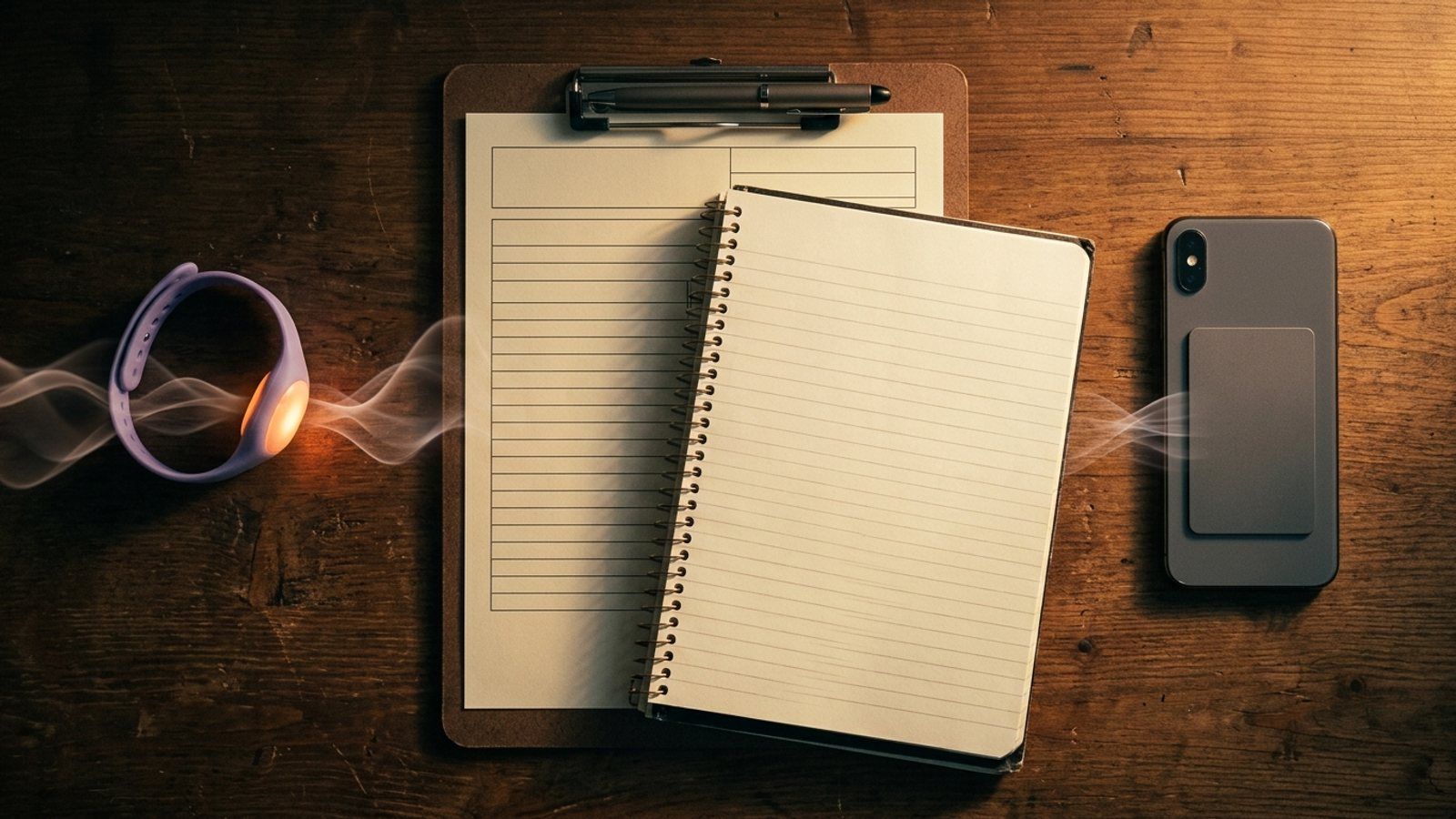
- Bee Frontier is $74.99 and listens in the background all day. Plaud Note is $159 (Note Pro $189) and records when you press the button.
- Year one with paid plans: Bee Frontier plus Bee Pro is $206.88. Plaud Note plus a year of Plaud Pro is $258.99.
- Plaud records phone calls today with a sensor that sits on the back of your phone. Amazon's call-capable Bee Eclipse ($99.99) isn't on sale yet.
- Plaud keeps your audio so you can replay it. Bee deletes the audio after processing and keeps only an encrypted transcript.
Buy the Plaud Note ($159) if you record meetings, lectures or phone calls on purpose and want to replay the audio; its free plan covers 300 minutes a month. Buy Amazon's Bee Frontier ($74.99) if you want an always-on band that remembers your day. Bee Pro is $11.99 a month; Plaud Pro is $99.99 a year.
Amazon’s new Bee Frontier costs $74.99. Plaud’s cheapest recorder costs $159. On price alone that looks like an easy call.
It isn’t, because these two gadgets do different jobs. Bee is a band you wear all day that quietly remembers what people told you. Plaud is a recorder you switch on for the moments that matter: the meeting, the lecture, the doctor, the sales call.
I already put the Bee up against Memoket’s Gem in my first AI recorder breakdown. TechCrunch’s launch coverage priced Bee against Plaud, so here’s that matchup in plain English.
What’s the difference between Bee and Plaud?
Both are small microphones that turn conversations into text, then use AI to write a summary and a to-do list in an app on your phone. The difference is when they listen.
The Bee Frontier goes on your wrist or clips to your shirt and runs in the background. One button turns listening on or off, a light shows when it’s working, and it can shut itself off after 5 or 15 minutes of silence.
The Plaud Note is a card about as thin as a credit card that rides on the back of your phone in a magnetic case. You press to record, press to stop. Plaud also sells the Note Pro, with a small screen and more microphones, and the NotePin, a wearable you can pin, clip or hang around your neck.
How much does each one cost in year one?
The Bee Frontier is $74.99, and Amazon says it’s available now. Free with the device: conversation summaries, recaps and 14 days of memory. Amazon doesn’t publish a minute cap for the free tier.
Bee Pro is $11.99 a month and adds unlimited summaries, suggested to-dos, a chat assistant for your past conversations, templates, the desktop app, and hookups to Gmail, Google Calendar and Outlook. New customers get 30 days free.
Plaud’s prices on plaud.ai: Note $159, NotePin $159, Note Pro $189. Each comes with the free Starter plan, 300 transcription minutes a month, which is about five hours.
Plaud Pro gives you 1,200 minutes (20 hours) a month for $99.99 a year, roughly $8.33 a month, or $17.99 if you pay monthly. Unlimited is $239.99 a year or $29.99 a month.

So on free plans, Bee is $84.01 cheaper. Paying for the good stuff on both, Bee Frontier plus Bee Pro lands at $206.88, and a Plaud Note plus a year of Pro is $258.99. The gap shrinks to $52.11.
| Device | Price | Paid plan | Free tier | Records phone calls? | Battery | Keeps your audio? | Best for |
|---|---|---|---|---|---|---|---|
| Bee Frontier | $74.99 | $11.99/mo | Summaries, 14-day memory | Not stated | Up to 7 days | No | All-day memory |
| Bee Eclipse | From $99.99 (coming soon) | $11.99/mo | Summaries, 14-day memory | Yes | 21+ days | No | Calls, once it ships |
| Plaud Note | $159 | $99.99/yr or $17.99/mo | 300 min/month | Yes | Up to 30 hrs recording | Yes, 64GB on device | Meetings and calls |
| Plaud Note Pro | $189 | Same | 300 min/month | Yes | Up to 50 hrs recording | Yes | Big rooms, heavy users |
| Plaud NotePin | $159 | Same | 300 min/month | No | Up to 20 hrs recording | Yes, 64GB on device | Hands-free, in person |
SourcesAmazon's Bee announcement, Plaud Note product page, Plaud plan prices, Plaud support: Note vs NotePin.
Which one can record phone calls?
This is the biggest practical difference. The Plaud Note and Note Pro record calls today.
Plaud’s support pages explain how: the Note sits on the back of your phone, and a vibration conduction sensor picks up the call straight from the phone’s speaker, both sides. iPhones with MagSafe snap right in, and Plaud includes a magnetic ring for phones without it.
The catch: no headphones. Plaud says call recording doesn’t work while you’re on earbuds, because the sensor needs the phone’s own speaker. The NotePin can’t record calls at all.
Amazon hasn’t said the Bee Frontier records calls. The Bee Eclipse is the call product, a card that sticks to the back of your phone and prompts you to get permission each time a recording starts. Amazon only says it’s coming soon.
Which is better for doctor visits, lectures and sales calls?
Sales calls: Plaud Note. It records calls now, keeps the audio for the follow-up, and the free 300 minutes covers about five hours of calls a month. A rep on the phone all day will blow through that fast and want Pro or Unlimited.
Lectures: Plaud. You want the audio when the professor says what’s on the exam, and Bee deletes it. Budget for Pro if you’re a full-time student: five free hours a month runs out fast when you record several classes a week.
Doctor visits: Plaud, with an asterisk. You get the full recording to replay at home, and Plaud lists HIPAA, the US health-privacy standard, among its certifications. Bee Pro has a care-plan template that organizes the instructions, which is useful. Either way, ask your doctor first.
The rest of your day: Bee. The pickup time agreed in the hallway, the restaurant a friend swore by, the favor you promised at the coffee machine. Nobody presses record for those. That’s the whole pitch of an always-on band.
Does the transcription actually work?
For Plaud, there’s independent evidence. Mighty Gadget’s Note Pro review found English transcription nearly flawless in good conditions, speaker labels right about 80% of the time in four- to five-person meetings, and trouble with acronyms and technical terms. Quality dropped past roughly 3 to 4 meters.
For the Bee Frontier, I couldn’t find an independent hands-on accuracy test as of October 19. It’s four days old. Until someone runs it through a noisy restaurant, Amazon’s claims are all we have.
Where does my audio go?
Bee: Amazon says audio is processed in real time and then deleted. Transcripts are encrypted with keys only your device controls, and Amazon says no one, including Amazon, can access them. You can delete transcripts and summaries anytime.
Plaud: By default your recordings live on the device and in the Plaud app. They get uploaded for transcription, and Plaud says the server copy is deleted right after processing unless you turn on Private Cloud Sync. Turn sync on and US accounts are stored, encrypted, on Amazon’s cloud in Oregon.
Plaud sends recordings to outside AI providers for processing; Mighty Gadget names OpenAI among them. Plaud says those providers keep nothing after responding, and it doesn’t train models on your conversations unless you opt in.
SourcesAmazon's Bee announcement, Plaud security and compliance, Plaud: data after transcription, Mighty Gadget's Note Pro review.
Is it legal to record people with these?
Not legal advice, just the lay of the land. Federal law and most states use “one-party consent”: if you’re in the conversation, you can record it.
The Reporters Committee’s recording guide counts about 11 states that mainly require everyone’s permission, including California, Florida, Illinois and Pennsylvania. Connecticut and Nevada add that rule for phone calls. On a call across state lines, assume the stricter state wins.
This matters more with an always-on band. With Plaud you decide when to press record, so asking is natural. With Bee, the habit has to be yours: “Mind if my recorder takes notes?”
Who should skip both?
If your meetings all happen on Zoom, Teams or Meet, a software note taker does the job without a gadget, and some are free. Start with my AI note takers ranking.
If you only need a quick recap now and then, your phone’s built-in recorder may be enough. Mighty Gadget says as much for occasional users. And if the people around you would hate being recorded, no wearable fixes that conversation.
So which AI recorder should you buy?
Buy the Plaud Note if you record on purpose: meetings, lectures, doctor visits, and especially phone calls. $159 is real money, but it records calls today and gives you the audio back. Step up to the Note Pro only if you record big rooms.
Buy the Bee Frontier if you want a cheap, all-day memory for the small stuff. $74.99 is an easy experiment. Budget $11.99 a month if you want more than 14 days of memory.
In sales? Don’t wait on Eclipse. Plaud does the job now.
Press record for the moments that matter, get Plaud. Want your whole day remembered, get Bee.
Micah Berkley, founder and editor of Run the Eval, where the call on AI recorders comes from evidence, not hype. #TheAIMogul
Bottom lineBuy a Plaud Note if you record meetings, lectures, doctor visits or phone calls and want the audio back. Buy the Bee Frontier if you want a cheap, all-day memory for the small stuff. Sales people who live on the phone should pick Plaud now, not wait on Eclipse.